
Certainly! Here’s a detailed overview of the factors influencing the service life and durability of fixed ball valves:
1. Material Quality
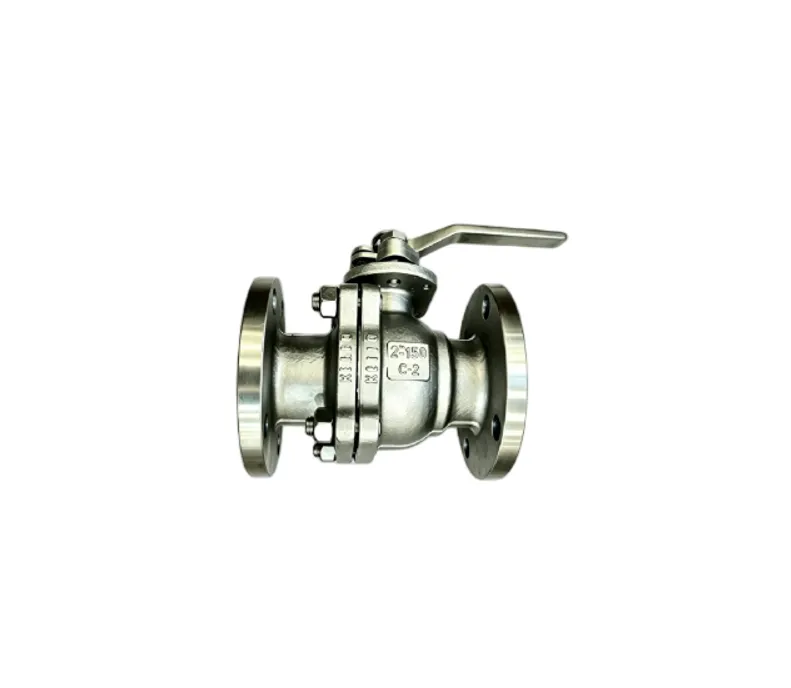
– Body Material: The material used for the valve body plays a crucial role. Common materials include stainless steel, carbon steel, and brass. Stainless steel offers excellent corrosion resistance, making it suitable for harsh environments.
– Seal Material: The choice of seal material—such as PTFE (Teflon), elastomers, or graphite—impacts the valve’s performance in different temperature and pressure conditions.
2. Manufacturing Precision
– High-quality manufacturing processes ensure precise dimensions and proper fitting of components, reducing wear and leakage over time. Precision machining and quality control standards are essential for extending valve life.
3. Operating Conditions
– Pressure and Temperature: Operating a valve within its rated pressure and temperature limits is crucial. Exceeding these limits can lead to material fatigue and seal failure.
– Flow Media: The type of fluid (e.g., corrosive chemicals, abrasive slurries) can significantly affect the valve’s longevity. Appropriate material selection based on flow media is necessary.
4. Installation and Maintenance
– Proper installation ensures that the valve operates under optimal conditions without excessive stress on components. Regular maintenance, including cleaning and inspection, helps identify and rectify wear and minor defects before they escalate.
5. Design and Construction
– Design Features: Features such as anti-blowout stems, fire-safe designs, and floating seats enhance durability and safety.
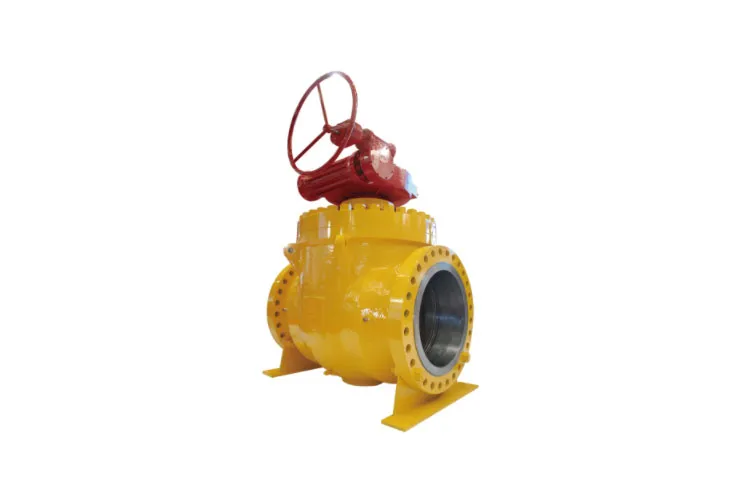
– Valve Size and Type: Using the correct valve size for the application reduces strain. Fixed ball valves are generally used in applications requiring a consistent flow with minimal pressure drop.
6. Frequency of Operation
– Frequent cycling (opening and closing) can cause wear on seals and other moving parts. Valves that operate with fewer cycles typically have a longer lifespan.
7. Environmental Factors
– Exposure to extreme temperatures, saltwater, or corrosive environments can degrade materials and shorten valve life. Environmental induction to long-term sun exposure without UV-stabilized components can also be damaging.
8. Technological Advances
– Modern advancements include the development of better coating technologies and the use of composite materials that enhance wear resistance and reduce friction.
9. Regulatory Compliance
– Compliance with industry standards and certifications, such as API, ANSI, or ISO, ensures the valve meets quality and performance benchmarks, which can correlate with durability.
Conclusion
Understanding these factors enables better selection, installation, and maintenance of fixed ball valves, ultimately extending their service life and improving reliability. Regular inspection and adherence to operational limits recommended by manufacturers are key practices to ensure long-lasting performance.
By implementing these considerations, users can maximize the lifespan and durability of fixed ball valves in their systems.
الشخص المسؤول: ماكس سونغ (سونغ شانشان)
المنصب: المدير العام
الجوال: +86 15611322632
الهاتف: +86 10 89282693
البريد الإلكتروني: international@bvmc.com
العنوان: رقم 3، طريق لوهي، بلدة بانغتشوانغ، حي داكسينغ، بكين


حقوق الطبع والنشر © شركة مصنع بكين للصمامات المحدودة
خريطة الموقعيستخدم هذا الموقع ملفات تعريف الارتباط لضمان حصولك على أفضل تجربة على موقعنا.




 Phone