

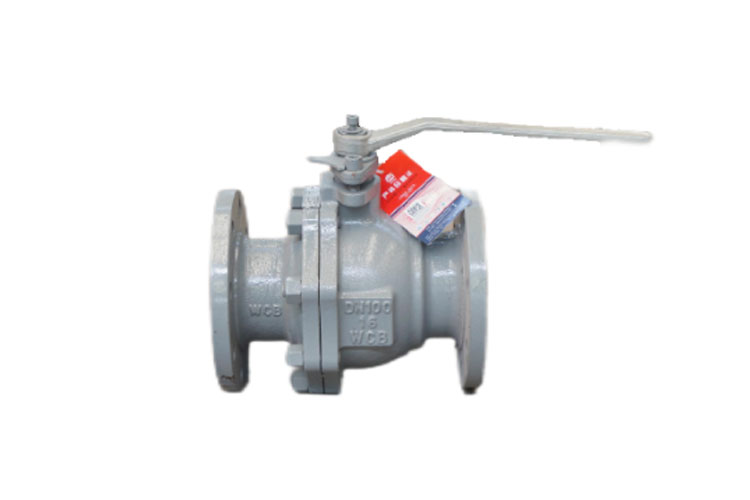
Triple Offset Butterfly Valve Operation and Control
A Triple Offset Butterfly Valve is a high-performance industrial valve designed for tight shutoff, low-friction operation, and reliable control in demanding process applications. Because of its advanced geometry, the triple offset butterfly valve combines the compact size of a butterfly valve with sealing performance that is often associated with more complex valve types. It is widely used in pipelines and process systems where durability, torque efficiency, bubble-tight closure, and long service life are important.
This page provides a complete, SEO-friendly overview of triple offset butterfly valve operation and control, including the working principle, valve construction, control methods, benefits, common applications, selection criteria, technical specifications, and maintenance considerations. The content is written for general industry use and does not include specific brand or company recommendations.
A triple offset butterfly valve is a quarter-turn valve that uses three distinct offsets in its stem and seat geometry. These offsets reduce friction between the disc and the seat during opening and closing, allowing the valve to achieve a tight seal with less wear than conventional butterfly valves. The triple offset design is often used in applications involving high pressure, high temperature, gas, steam, hydrocarbons, and critical isolation duties.
In simple terms, the triple offset butterfly valve is engineered so that the disc moves away from the seat without scraping across it. This feature is essential for minimizing seal damage and supporting repeated reliable operation. As a result, the valve is a preferred choice in industries where shutoff performance, process safety, and control precision are all important.
The operation of a triple offset butterfly valve is based on a quarter-turn rotation of the disc. When the actuator turns the stem, the disc rotates from the fully open position to the fully closed position through 90 degrees. The unique offset design ensures that the disc only contacts the seat at the final closing stage, creating a cam-like sealing action.
During operation, the triple offset geometry delivers several mechanical advantages:
Because the valve operates with a turning movement rather than a linear stroke, it is often faster to actuate than many multi-turn valve designs. This makes it attractive for on-off service, emergency isolation, and automated process control.
The term “triple offset” refers to three separate geometric displacements in the valve design. These offsets are what make the valve different from standard butterfly valves and even from double offset butterfly valves.
| Offset Number | Design Feature | Function in Operation and Control |
|---|---|---|
| Offset 1 | Stem axis is offset from the centerline of the disc | Reduces direct interference between stem and seat, improving rotation behavior |
| Offset 2 | Stem axis is offset from the centerline of the pipe | Allows the disc to move away from the seat during opening and closing |
| Offset 3 | Seat cone axis is offset from the valve centerline | Creates a cam action and minimizes friction at the sealing point |
These three offsets work together to create a design that is both efficient and precise. The result is a valve that can provide high-performance isolation and dependable control in challenging environments.
Understanding the main components helps explain why triple offset butterfly valve operation is so effective. Each part plays a role in sealing, actuation, flow regulation, and structural integrity.
| Component | Purpose | Operational Importance |
|---|---|---|
| Body | Houses internal parts and connects to the pipeline | Provides pressure containment and mechanical support |
| Disc | Rotating closure element that controls flow | Main throttling and shutoff component |
| Stem | Transfers actuator torque to the disc | Critical for opening, closing, and control accuracy |
| Seat | Sealing surface for the disc | Determines shutoff tightness and leakage performance |
| Seal ring | Enhances sealing at final closure | Improves bubble-tight or near-bubble-tight performance |
| Actuator | Provides manual, pneumatic, hydraulic, or electric movement | Enables automation and remote control |
| Bearing / bushing | Supports stem rotation | Reduces wear and stabilizes valve movement |
Triple offset butterfly valve control can be manual or automated. The right control method depends on system pressure, process media, response time requirements, and plant integration needs. Because the valve is a quarter-turn device, it is well-suited for modern automation systems.
Manual triple offset butterfly valves are typically operated with a hand lever, gear operator, or handwheel. Manual control is common in smaller systems, low-frequency operations, or backup isolation applications. Gear operators are often used when higher torque is needed, since they provide mechanical advantage and smoother positioning.
Pneumatic actuators are widely used for automated triple offset butterfly valve operation. They offer fast response, reliable cycling, and compatibility with solenoid valves and positioners. Pneumatic control is common in process industries where quick opening or closing is required.
Hydraulic actuators are used in high-torque or heavy-duty services. They are suitable for large-diameter valves and high differential pressure conditions. Hydraulic control offers strong positioning force and dependable operation in severe environments.
Electric actuators are ideal for remote control, precise positioning, and integration with digital automation systems. They are often selected in facilities where electrical power and control logic systems are readily available. Electric actuation can support modulating service and data-based monitoring.
In advanced control systems, triple offset butterfly valves may be fitted with accessories that improve operation and feedback. Common accessories include positioners, limit switches, solenoid valves, torque switches, and digital communication modules. These components help operators monitor valve status and improve response accuracy.
| Control Method | Main Advantage | Typical Use Case |
|---|---|---|
| Manual | Simple and low cost | Basic isolation, low-cycle service |
| Pneumatic | Fast and reliable | Automated process lines, frequent cycling |
| Hydraulic | High torque output | Large valves, severe-duty service |
| Electric | Precise positioning | Remote monitoring, modulating control |
The working principle of a triple offset butterfly valve is based on the interaction between the disc, seat, and stem offsets. When the valve begins to open, the disc moves away from the seat without dragging across the sealing surface. This minimizes friction and prevents early wear. As the valve approaches the closed position, the disc enters a controlled cam action against the seat, producing tight closure.
In the fully open position, the disc is aligned to allow relatively unobstructed flow. In the partially open position, the valve can regulate flow, although its primary strength is often in isolation rather than fine throttling. In the fully closed position, the seat contact and sealing angle support secure shutoff.
This combination of low-friction movement and strong sealing makes the triple offset butterfly valve a high-performance solution for many industrial flow control systems.
Triple offset butterfly valve operation offers several important benefits compared with conventional valve designs. These advantages help explain why the valve is used in demanding sectors such as oil and gas, power generation, refining, chemical processing, and water treatment.
| Advantage | Description | Operational Value |
|---|---|---|
| Tight shutoff | Designed for secure sealing under demanding conditions | Improves process safety and leakage control |
| Low friction | Triple offsets reduce disc-seat contact during movement | Lower torque and reduced wear |
| Compact size | Smaller face-to-face dimensions than many other valve types | Useful where space is limited |
| Long service life | Less seat abrasion supports durability | Lower replacement and maintenance frequency |
| High-pressure suitability | Designed for demanding service conditions | Supports critical industrial applications |
| Automation-friendly | Quarter-turn motion works well with actuators and controls | Easy integration into modern process systems |
Standard butterfly valves are often used for low to medium pressure applications and general flow isolation. However, triple offset butterfly valves are engineered for more demanding service where improved sealing and reduced friction are needed. The differences are significant in operational performance and control quality.
| Feature | Standard Butterfly Valve | Triple Offset Butterfly Valve |
|---|---|---|
| Sealing performance | Moderate | High, often suitable for tight shutoff |
| Friction during operation | Higher seat rubbing possible | Very low due to offset geometry |
| Pressure capability | Typically lower | Suitable for more severe service |
| Temperature range | Moderate | Often broader and more demanding |
| Service life | Depends on application and wear | Generally longer in critical service |
| Primary use | General isolation and throttling | High-performance isolation and control |
Triple offset butterfly valves are used in many industries because they offer a combination of performance, compact design, and automation compatibility. Their application range extends from utilities to highly critical process systems.
In these industries, the valve is often selected where long-term reliability, reduced maintenance, and dependable control are more important than initial simplicity. For isolation service, the triple offset butterfly valve is especially valued for its sealing integrity and efficient actuation.
The exact operating range of a triple offset butterfly valve depends on materials, size, design standard, and service conditions. However, the following table provides a general industry overview of common operating parameters.
| Parameter | Typical Industry Range | Notes |
|---|---|---|
| Valve size | 2 in to 60 in and above | Large sizes are common in pipeline service |
| Pressure rating | Class 150 to Class 900 or higher | Depends on design standard and material selection |
| Temperature range | Low temperature to high temperature service | Metal-seated versions often support elevated temperatures |
| Media | Liquids, gases, steam, hydrocarbons | Compatibility must be checked for each application |
| Operation | Quarter-turn | Suitable for fast actuation and automation |
Material selection is a critical part of triple offset butterfly valve operation and control. The body, disc, stem, seat, and sealing components must be selected to withstand the process environment. Incorrect material choice can cause corrosion, wear, leakage, or premature failure.
| Valve Part | Common Material Options | Selection Consideration |
|---|---|---|
| Body | Carbon steel, stainless steel, alloy steel | Pressure, corrosion resistance, and temperature compatibility |
| Disc | Stainless steel, duplex stainless steel, alloy steel | Strength, wear resistance, and media compatibility |
| Stem | Stainless steel, high-strength alloy | Torsional strength and corrosion resistance |
| Seat | Metal seat, laminated seat, specialty sealing surfaces | Temperature, leakage class, and cycle life |
| Seals / gaskets | Graphite, PTFE, elastomers, high-performance composites | Chemical resistance and thermal stability |
Triple offset butterfly valve specifications vary by manufacturer and standard, but buyers and engineers commonly evaluate the valve by size range, pressure class, leakage class, and temperature rating. These specifications directly affect valve selection for control and shutoff duties.
| Specification Category | Common Options | Impact on Operation |
|---|---|---|
| Size range | Small to very large diameters | Determines flow capacity and installation footprint |
| Pressure class | ANSI / ASME Class 150, 300, 600, 900 | Defines pressure containment capability |
| Leakage class | High-performance shutoff classes | Important for tight sealing and process isolation |
| Temperature rating | Low to high temperature service | Affects seat material and seal design |
| End connection | Wafer, lug, flanged, double-flanged | Affects installation and maintenance access |
Selecting the correct triple offset butterfly valve requires a careful review of the process conditions and control objectives. Although the valve is often used for isolation, it can also be applied in systems where controlled flow movement is required.
Proper installation is essential for reliable triple offset butterfly valve operation. Even a well-designed valve can perform poorly if it is installed incorrectly. Alignment, support, and actuator setup all affect the final result.
Good installation practice helps maximize sealing performance, reduce torque issues, and improve long-term reliability.
Although triple offset butterfly valves are designed for durability, routine inspection remains important. Maintenance procedures should focus on seal condition, actuator performance, stem movement, and leakage monitoring. Regular checks help identify wear before it becomes a process problem.
| Maintenance Task | Purpose | Recommended Focus |
|---|---|---|
| Visual inspection | Identify external damage or leakage | Body, flanges, actuator, and connection points |
| Cycle test | Confirm smooth opening and closing | Torque, travel, and response time |
| Seat inspection | Check sealing condition and wear | Leakage signs, surface damage, or deformation |
| Stem and bearing check | Confirm rotational stability | Wear, corrosion, or misalignment |
| Actuator calibration | Maintain precise control | Limit settings, feedback devices, and torque output |
Like any industrial valve, a triple offset butterfly valve may experience operational issues if the system conditions change or if maintenance is neglected. Understanding the most common problems can help reduce downtime and improve process reliability.
| Problem | Possible Cause | General Troubleshooting Approach |
|---|---|---|
| High operating torque | Seat wear, misalignment, debris, or actuator sizing issues | Inspect internals and verify torque margin |
| Leakage at closed position | Seat damage, seal degradation, foreign particles | Clean the valve, inspect sealing surfaces, replace worn parts |
| Slow response | Actuator issues or control signal delay | Check instrument air, power supply, and control system settings |
| Erratic control | Positioner tuning or feedback problems | Recalibrate control accessories |
| Stem binding | Corrosion, dirt, or mechanical misalignment | Inspect stem, bushings, and mounting alignment |
From an industrial content perspective, triple offset butterfly valve operation and control is a valuable subject because it intersects with multiple high-intent search topics such as high-performance butterfly valve, tight shutoff valve, quarter-turn valve, automated valve control, industrial flow control, and metal-seated butterfly valve. Engineers, buyers, maintenance teams, and plant operators often search for detailed information about valve function, specifications, and selection criteria before making technical decisions.
Well-structured content on this topic supports user intent by answering practical questions: how the valve works, when it should be used, what makes it different, and what specifications matter most. For search visibility, pages on this topic should include clear headings, semantic keywords, tables, and industry terminology that match technical search behavior.
The following keywords and phrases are naturally relevant to this topic and can help reinforce topical coverage in an article, directory page, or industry landing page.
| Main Keyword | Related Search Terms | Search Intent |
|---|---|---|
| Triple Offset Butterfly Valve Operation and Control | working principle, actuation, sealing, shutoff | Technical understanding |
| Triple Offset Butterfly Valve | high-performance butterfly valve, metal-seated valve | Product research |
| Butterfly Valve Control | manual control, pneumatic actuator, electric actuator | Automation and control |
| Industrial Valve Specification | pressure rating, temperature range, leakage class | Engineering selection |
| Quarter-Turn Valve | fast opening, compact design, remote operation | Application comparison |
Yes, it can be used for limited throttling or flow adjustment, but its primary strength is high-performance isolation and tight shutoff. For precise modulating control, system requirements should be reviewed carefully.
The triple offset geometry allows the disc to move away from the seat during most of its travel, reducing friction and minimizing seat abrasion. This supports longer service life and more stable sealing performance.
Manual, pneumatic, hydraulic, and electric actuators are all commonly used. The best option depends on torque demand, automation requirements, response time, and the control system architecture.
They are commonly installed in oil and gas, power generation, chemical processing, steam systems, and other industrial pipelines where reliable shutoff and durable operation are required.
Triple offset butterfly valve operation and control combine advanced sealing geometry with efficient quarter-turn movement. The triple offset design reduces friction, supports tight shutoff, and provides strong performance in demanding industrial environments. With the right actuator, materials, and installation practices, this valve type can deliver dependable service in critical applications across many sectors.
For engineers, plant operators, and technical buyers, understanding the principles of triple offset butterfly valve operation, control options, advantages, specifications, and maintenance needs is essential for selecting the right valve and ensuring long-term reliability. As a high-performance industrial valve, it remains a key solution for modern flow control and isolation systems.
“`
الشخص المسؤول: ماكس سونغ (سونغ شانشان)
المنصب: المدير العام
الجوال: +86 15611322632
الهاتف: +86 10 89282693
البريد الإلكتروني: international@bvmc.com
العنوان: رقم 3، طريق لوهي، بلدة بانغتشوانغ، حي داكسينغ، بكين


حقوق الطبع والنشر © شركة مصنع بكين للصمامات المحدودة
خريطة الموقعيستخدم هذا الموقع ملفات تعريف الارتباط لضمان حصولك على أفضل تجربة على موقعنا.




 Phone