Large Bore Butterfly Valve vs Gate Valve for Large Diameters
When designing or upgrading large diameter pipelines, choosing between a large bore butterfly valve and a large diameter gate valve is one of the most critical decisions for engineers, specifiers, and plant operators. Both valve types are widely used for isolation and ON/OFF service in water transmission, wastewater treatment, power plants, district heating, desalination, oil & gas, chemical processing, marine systems, and many other industrial applications.
This in‑depth guide compares large bore butterfly valves vs gate valves for large diameters, focusing on:
- Definitions and working principles
- Key design features
- Pressure and size ranges
- Advantages and disadvantages
- Installation and maintenance aspects
- Application suitability by industry
- Selection criteria and decision checklists
The content below is structured and keyword‑rich for SEO, while keeping the information neutral, vendor‑independent, and focused on general industry practice.
1. Overview of Large Diameter Isolation Valves
In large diameter piping systems (typically DN 300 / 12" and above), isolation valves are required to:
- Shut off sections of pipeline for maintenance or emergency
- Provide safe isolation of pumps, turbines, and process units
- Enable system expansion and tie‑ins
- Control flow routing between different lines or reservoirs
The two most common types of large bore isolation valves are:
- Large Bore Butterfly Valves – quarter‑turn valves with a rotating disc
- Large Diameter Gate Valves – multi‑turn valves with a rising or non‑rising gate
Both can be designed for manual, electric, hydraulic, or pneumatic actuation, and both are available in a wide range of pressure ratings, body materials, and seat configurations.
2. What Is a Large Bore Butterfly Valve?
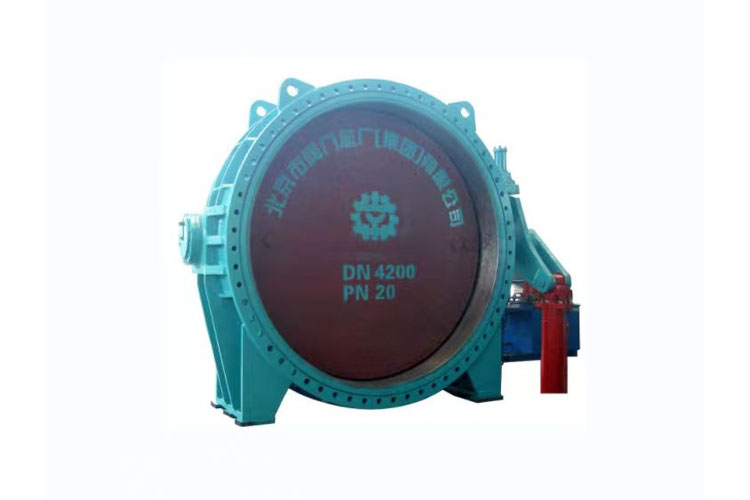
A large bore butterfly valve is a quarter‑turn rotary valve in which a circular disc (the "butterfly") rotates around a stem, typically by 90°, to open or close the flow passage. For large diameter applications, butterfly valves are preferred because of their compact face‑to‑face dimensions, relatively low weight, and cost‑effective installation in big pipelines.
2.1 Basic Working Principle
In the closed position, the disc is oriented perpendicular to the flow direction and seals against a seat (soft or metal). In the open position, the disc is rotated so that it is parallel or nearly parallel to the flow, minimizing obstruction.
- Open: Disc parallel to flow; low pressure drop for most designs.
- Closed: Disc perpendicular to flow; full isolation when properly seated.
- Throttling: Intermediate positions allow limited flow control, but cavitation and disc vibration must be considered.
2.2 Types of Large Bore Butterfly Valves
- Concentric (Resilient Seated) Butterfly Valves
- Stem and disc centerlines coincide with the pipe centerline.
- Soft elastomer seat provides tight shut‑off (often bubble‑tight).
- Common in water distribution, HVAC, and low‑pressure service.
- Double Eccentric (High Performance) Butterfly Valves
- Stem is offset from disc and pipeline centerlines.
- Reduces seat wear and provides better sealing at higher pressures.
- Used in water transmission, power, and general industry.
- Triple Eccentric (Triple Offset) Butterfly Valves
- Three offsets between stem, disc, and sealing geometry.
- Metal‑to‑metal seal, torque‑seated, for zero‑leakage performance.
- Used in high pressure, high temperature, and critical isolation service.
2.3 Large Bore Butterfly Valve Size and Pressure Range
Typical size ranges for large bore butterfly valves include:
- From DN 300 (12") up to DN 4000 (160") and beyond
- Commonly DN 600–DN 2400 (24"–96") in municipal and power projects
Standard pressure ratings:
- PN 6, PN 10, PN 16, PN 25, PN 40 (and higher for special designs)
- ANSI / ASME Class 150, 300, 600 (and occasionally Class 900 for triple offset)
3. What Is a Large Diameter Gate Valve?
A large diameter gate valve is a linear motion valve that uses a rectangular or wedge‑shaped gate to block the flow path. The gate moves up and down between two seat rings by turning a threaded stem. Gate valves are typically used for ON/OFF service and are not designed for throttling.
3.1 Basic Working Principle
- Open: Gate is fully retracted into the bonnet area; flow path is unobstructed.
- Closed: Gate is lowered into the seat, blocking the flow and providing isolation.
- Operation: Multi‑turn (often many turns from fully open to fully closed), which can be manual or actuated.
3.2 Types of Large Diameter Gate Valves
- Rising Stem Gate Valve
- Stem moves up and down with the gate.
- Provides visual indication of valve position.
- Requires vertical space for stem extension.
- Non‑Rising Stem Gate Valve
- Stem does not move vertically; gate travels along stem threads.
- More compact, used in confined spaces or buried service.
- Resilient Seated Gate Valve
- Gate is rubber‑coated or elastomer‑coated for tight sealing.
- Common in water and wastewater networks.
- Metal Seated Gate Valve
- Metal‑to‑metal seating for high temperature or abrasive services.
- Used in power plants, refineries, and process industries.
3.3 Large Diameter Gate Valve Size and Pressure Range
Typical size ranges for large diameter gate valves:
- From DN 50 (2") up to DN 2000 (80") or more, depending on design and pressure class
- Very large gate valves may be custom‑engineered for major infrastructure projects
Common pressure ratings:
- PN 10, PN 16, PN 25, PN 40, with higher ratings for special applications
- ANSI / ASME Class 150, 300, 600, 900, and higher for severe services
4. Key Differences: Large Bore Butterfly Valve vs Gate Valve
The table below summarizes the main technical and practical differences between large bore butterfly valves and large diameter gate valves for large pipelines.
| Parameter |
Large Bore Butterfly Valve |
Large Diameter Gate Valve |
| Basic Design |
Quarter‑turn rotary disc |
Linear motion gate (wedge or slab) |
| Operation Type |
90° turn from open to close |
Multi‑turn, many turns from open to close |
| Face‑to‑Face Dimension |
Short, compact length |
Longer face‑to‑face dimension |
| Valve Weight |
Lighter in large diameters |
Heavier in large diameters |
| Installation Space |
Requires less space axially |
Requires more axial space and often more vertical clearance |
| Flow Path |
Disc in the flow even when open; streamlined but partial obstruction |
Full bore, unobstructed flow when fully open |
| Pressure Drop (Fully Open) |
Generally low, but higher than gate valve |
Very low, near straight pipe pressure drop |
| Throttling Capability |
Can be used for limited throttling; risk of cavitation at high ΔP |
Not recommended for throttling; primarily ON/OFF |
| Shut‑Off Tightness |
Excellent with resilient seat; high sealing with triple offset |
Very good for isolation; depends on seat design and condition |
| Typical Actuation |
Manual, electric, pneumatic, or hydraulic with smaller actuators |
Manual gear, electric, or hydraulic; larger torque and thrust required |
| Cost in Large Diameters |
Generally lower total cost (valve + actuator + installation) |
Generally higher cost in very large bores |
| Maintenance Complexity |
Fewer moving parts; easier seat replacement for many designs |
More complex internals; seat and gate repair can be more involved |
| Common Standards |
API 609, EN 593, AWWA C504/C516 (for water) |
API 600/602/603, EN 1074, AWWA C500/C515 |
| Typical Applications |
Water transmission, cooling water, HVAC, shut‑off and some control |
Pipeline isolation in oil & gas, power, water, and process industries |
5. Advantages of Large Bore Butterfly Valves
Large bore butterfly valves offer several technical and economic benefits that make them attractive for big pipeline projects.
5.1 Compact and Lightweight Design
- Short face‑to‑face dimension reduces required pipeline length.
- Significantly lower weight than equivalent gate valves in large diameters.
- Lower structural load on piping supports, pipe racks, and valve chambers.
- Easier to transport, handle, and install on remote or difficult sites.
5.2 Lower Total Installed Cost
- Reduced material mass (body and trim) leads to lower purchase cost for many sizes.
- Smaller, more compact actuators for quarter‑turn operation.
- Smaller valve chambers in buried or underground installations.
- Potential savings in civil works, crane capacity, and installation time.
5.3 Quick Operation and Good Automation Capability
- Quarter‑turn motion allows faster opening and closing than multi‑turn designs.
- Well suited to frequent operation where fast shut‑off is required.
- Easy integration with electric, pneumatic, or hydraulic actuators.
- Suitable for remote operation in large distribution networks or plants.
5.4 Versatile Sealing Options
- Resilient seated designs offer bubble‑tight shut‑off in low‑pressure water service.
- Double eccentric valves reduce wear and allow higher pressures.
- Triple offset butterfly valves provide metal‑to‑metal, zero‑leakage sealing for high‑pressure and high‑temperature services.
- Multiple seat materials available: EPDM, NBR, PTFE, metal alloys, and more.
5.5 Suitability for Large Diameter Water and HVAC Systems
- Common choice in large municipal water transmission mains.
- Widely used in cooling water circuits in power plants and industrial complexes.
- Often the preferred solution in district heating and chilled water networks.
6. Advantages of Large Diameter Gate Valves
While heavier and typically more expensive in very large sizes, gate valves retain important advantages that make them indispensable in many applications.
6.1 Full Bore, Unobstructed Flow
- When fully open, the gate is completely out of the flow path.
- Results in minimal pressure loss, especially important for:
- Long distance pipelines
- Systems where energy efficiency is critical
- Slurry or high solids content fluids requiring smooth flow path
- Allows use of pigging tools in some designs (pipeline isolation gate valves).
6.2 Robust Isolation Duty
- Designed primarily for ON/OFF service with good isolation capability.
- Metal‑seated designs can handle high temperature and high pressure.
- Common in severe service applications in refineries, petrochemical plants, and power stations.
6.3 Proven in High Pressure and High Temperature Applications
- Widely used in steam systems, boiler isolation, and high pressure water systems.
- Available in a broad range of materials suitable for demanding environments:
- Carbon steel, alloy steel, stainless steel, duplex, and others.
- Supported by extensive industry standards and design codes.
6.4 Low Turbulence and Erosion
- When fully open, flow is almost straight, reducing turbulence and erosion.
- Beneficial for abrasive or corrosive media where disc obstruction of a butterfly valve could be a weak point.
7. Disadvantages and Limitations
7.1 Limitations of Large Bore Butterfly Valves
- Disc in the flow path
- Even fully open, the disc remains in the flow stream.
- Can cause additional pressure drop compared to gate valve.
- May be prone to erosion or vibration in high‑velocity or abrasive service.
- Throttling limitations
- Can be used for some flow control but not ideal for very precise throttling.
- Cavitation risk at high differential pressure and intermediate positions.
- Seat wear and sealing integrity
- Resilient seats may wear faster in abrasive or chemical service.
- Improper selection of seat material can lead to leakage over time.
- Potential for water hammer if operated too quickly
- Fast closing can cause pressure transients, especially in long pipelines.
- Requires careful actuation control and sometimes dampers or check features.
7.2 Limitations of Large Diameter Gate Valves
- Large size and weight
- Significantly heavier than butterfly valves in large bores.
- Requires strong support structures and bigger installation equipment.
- Higher cost in large diameters
- More material and more complex body and bonnet construction.
- Higher purchase price and potentially higher total installed cost.
- Slower operation
- Multi‑turn operation means longer open/close times.
- May not be ideal where rapid isolation is needed.
- Maintenance challenges
- Seat and gate replacement can require significant disassembly.
- Large valves can be difficult to service in confined or buried installations.
- Not suitable for throttling
- Gate valves are not designed for flow control at intermediate positions.
- Partial opening can cause gate vibration, seat damage, and erosion.
8. Technical Comparison: Large Bore Butterfly vs Gate Valve
The following table summarizes key technical parameters when comparing a large bore butterfly valve vs a gate valve for large diameters.
| Technical Aspect |
Large Bore Butterfly Valve |
Large Diameter Gate Valve |
| Primary Function |
Isolation, with some throttling capability |
Isolation (ON/OFF only) |
| Typical Size Range (Large Bore) |
DN 300–DN 4000+ (12"–160"+) |
DN 300–DN 2000+ (12"–80"+) |
| Pressure Class |
Commonly PN 6–40, Class 150–600 (higher possible |
Commonly PN 10–100, Class 150–2500 |
| Body Materials |
Cast iron, ductile iron, carbon steel, stainless steel |
Cast iron, ductile iron, carbon steel, alloy, stainless steel |
| Seat Types |
Resilient (EPDM, NBR, etc.), PTFE, metal |
Resilient, metal‑seated, stellite hardfacing in severe service |
| Flow Coefficient (Cv) |
High Cv, but lower than fully open gate valve |
Very high Cv (near straight pipe) |
| Torque Requirement |
Moderate torque, depends on seat design and size |
Higher torque and stem thrust for large diameters and high pressure |
| Operating Time |
Short (quarter‑turn); seconds to tens of seconds |
Long (multi‑turn); tens of seconds to minutes |
| Frequency of Operation |
Suitable for frequent operation |
Typically for infrequent operation |
| Leak Tightness |
Excellent with resilient seat; high integrity with triple offset |
Good to excellent depending on design, pressure, and condition |
| Seat Replaceability |
Often easier; some designs allow in‑line replacement |
More complex; may require disassembly and removal |
| Installation Orientation |
Horizontal or vertical; requires disc clearance |
Horizontal or vertical; requires stem clearance (rising stem) |
| Buried Service |
Common with shaft extensions and gearboxes |
Common, especially non‑rising stem designs |
| Standards (Examples) |
API 609, EN 593, AWWA C504/C516 |
API 600/602/603, EN 1074, AWWA C500/C515 |
9. Application Comparison by Industry
9.1 Water and Wastewater Transmission
In large diameter potable water and wastewater networks:
- Butterfly valves are widely used for:
- Trunk mains and transmission lines
- Reservoir inlet and outlet isolation
- Pumping station suction and discharge lines
- Large diameter distribution headers
- Gate valves are typically used for:
- Network isolation points where full bore is desired
- Connections to critical customers or industrial users
- Installations where traditional design standards specify gate valves
For very large diameters in water service, large bore butterfly valves often provide a better balance of cost, performance, and operational convenience.
9.2 Power Generation and Cooling Water
- Butterfly valves:
- Common choice for circulating cooling water systems.
- Used in condenser inlet and outlet lines, cooling towers, and large headers.
- Quarter‑turn design supports automation and quick closure on emergency signals.
- Gate valves:
- Used in high temperature and high pressure steam lines (main steam isolation, boiler isolation).
- Preferred where full bore and minimal pressure drop are critical to turbine efficiency.
9.3 Oil & Gas and Pipeline Transport
- Gate valves:
- Widely used in high pressure oil and gas transmission pipelines.
- Preferred for piggable lines and full‑bore requirements.
- Metal‑seated gate valves handle high pressure and wide temperature ranges.
- Butterfly valves:
- Used in low pressure sections, fire water systems, and utility service.
- Sometimes used for offshore and marine applications where weight savings are crucial.
9.4 Industrial Process and Chemical Plants
- Butterfly valves:
- Popular in large bore process cooling and service water lines.
- Used for low to medium pressure process media when compatible with disc and seat materials.
- Triple offset butterfly valves are used for critical isolation in some chemical services.
- Gate valves:
- Used in process lines where full bore and robust metal‑to‑metal sealing are required.
- Common in high pressure hydrocarbon service and high temperature fluids.
9.5 HVAC, District Heating, and Cooling Networks
- Large bore butterfly valves:
- Dominant choice in large HVAC and district energy systems.
- Provide compact isolation on large diameter chilled water and hot water lines.
- Offer easy automation for building management and energy control.
- Gate valves:
- Used less frequently in modern HVAC systems, mainly where full bore is required.
10. Installation Considerations for Large Bore Valves
10.1 Space and Orientation
- Butterfly valves:
- Require adequate clearance for disc rotation inside the pipe.
- Orientation of the stem relative to flow and gravity can influence wear and actuation torque.
- Gate valves:
- Rising stem types require vertical clearance above the valve.
- Buried service designs often use extension spindles and ground boxes.
10.2 Flange Connections and Face‑to‑Face Length
- Butterfly valves usually have shorter face‑to‑face dimensions, compliant with standards such as EN 558 or API 609.
- Gate valves follow other standards such as ASME B16.10 or EN 558 for linear valves, resulting in longer body lengths.
- Correct gasket selection and flange alignment are essential for both valve types.
10.3 Actuation and Control
- Butterfly valves:
- Manual lever or gearbox for smaller sizes.
- Electric, pneumatic, or hydraulic actuators for large bore or remote operation.
- Torque‑seated or position‑seated depending on design (especially triple offset).
- Gate valves:
- Manual gearbox or handwheel for many installations.
- Electric or hydraulic actuators for large or buried valves and for remote control.
- Stroke time is longer due to multi‑turn operation.
10.4 Protection Against Water Hammer
- Rapid closure of any large bore valve can cause water hammer and pressure surges.
- Butterfly valves with quarter‑turn actuators must be carefully controlled to limit closing speed.
- Gate valves, although slower, can also create surges if closed too quickly under high flow conditions.
- Surge analysis and control strategies (e.g., controlled actuators, bypass lines) are important design considerations.
11. Maintenance Considerations
11.1 Accessibility and Serviceability
- Butterfly valves:
- Fewer internal components simplify maintenance.
- In some designs, seats and seals can be replaced without removing the valve from the line.
- Shaft bearings and seals can often be accessed from the outside.
- Gate valves:
- Maintenance frequently requires removal of bonnet or disassembly of upper parts.
- Seat and gate replacement in large diameters may require valve removal from the pipeline.
- Heavy components can complicate field maintenance.
11.2 Common Wear and Failure Modes
- Butterfly valves:
- Seat wear due to repeated operation or abrasive media.
- Corrosion or erosion of disc in aggressive fluids.
- Shaft seal leakage or bearing wear due to incorrect installation or misalignment.
- Gate valves:
- Seat wear or damage from particulate in the flow.
- Stem and packing wear due to frequent operation or misalignment.
- Gate jamming or sticking due to corrosion or debris in the guide channels.
11.3 Predictive and Preventive Maintenance
- Regular cycle testing helps ensure valves do not seize in rarely used installations.
- Periodic torque tests on actuators can indicate increasing friction or wear.
- Seat leakage tests help identify sealing degradation before it affects operation.
- Lubrication (where applicable) and packing adjustment extend service life.
12. How to Choose: Large Bore Butterfly Valve vs Gate Valve
Selecting the right valve type for large diameter service requires a structured approach, considering process conditions, installation constraints, operational requirements, and life cycle cost. The list below provides a general guide.
12.1 Key Selection Criteria
- Diameter and Pressure Class
- For very large diameters at low to medium pressure, butterfly valves are often preferred.
- For high pressure or high temperature service, especially above Class 600, gate valves or triple offset butterfly valves should be evaluated.
- Flow Characteristics and Pressure Drop
- If minimal pressure drop and full bore are critical, gate valves have an advantage.
- If moderate pressure drop is acceptable, butterfly valves can offer substantial savings.
- Medium and Service Type
- Clean water and HVAC: butterfly valves are very common.
- Slurries, high solids, or piggable pipelines: gate valve or special designs are typically used.
- Aggressive chemicals, high temperature: material and seat selection is crucial for both types.
- Operating Frequency and Speed
- Frequent or fast operation: quarter‑turn butterfly valves are advantageous.
- Infrequent, slow isolation: gate valves can be adequate.
- Space, Weight, and Installation Constraints
- Limited space, confined chambers, or weight restrictions: butterfly valves usually fit better.
- Ample space and robust structures: either type can be considered based on process needs.
- Throttling Requirements
- If precise flow control is required, a dedicated control valve may be better than using an isolation valve for throttling.
- Limited throttling: butterfly valve (with proper sizing and design) can be considered.
- Gate valves should not be used for regular throttling service.
- Life Cycle Cost
- Consider not only initial purchase price, but also:
- Actuator cost
- Installation and civil works
- Energy losses (pressure drop)
- Maintenance frequency and complexity
- Butterfly valves often win in total installed cost for large diameters, especially in low to medium pressure water systems.
- Standards and Specifications
- Follow project specifications, industry standards, and regulatory requirements.
- Some utilities and industries have established preferences (e.g., AWWA standards for waterworks).
12.2 Simple Decision Matrix
| Requirement / Condition |
Preferred Choice |
Comments |
| Very large diameter (> DN 1000) and low/medium pressure water |
Butterfly valve |
Compact, economical, easy to automate |
| High pressure steam or hydrocarbon service |
Gate valve (or triple offset butterfly for some cases) |
Metal‑seated, high pressure rating |
| Requirement for full bore and pigging |
Gate valve |
Discless open flow path |
| Limited installation space, weight constraints |
Butterfly valve |
Short face‑to‑face, lighter weight |
| Frequent operation, remote control |
Butterfly valve |
Quarter‑turn, smaller actuators |
| Traditional specification for buried water mains isolation |
Gate valve or butterfly, depending on utility standards |
Check local norms and historical practice |
13. Example Specification Parameters
The following example tables show typical specification parameters for large bore butterfly valves and large diameter gate valves in water service. These are illustrative and not a substitute for detailed engineering.
13.1 Example Specification – Large Bore Butterfly Valve (Water Service)
| Parameter |
Typical Value / Option |
| Nominal Diameter |
DN 600–DN 2000 (24"–80") |
| Pressure Rating |
PN 10 / PN 16 (or ANSI Class 150) |
| Body Material |
Ductile iron, epoxy coated |
| Disc Material |
Ductile iron with epoxy coating or stainless steel |
| Seat Type |
Resilient, replaceable, EPDM or NBR |
| End Connections |
Flanged to EN 1092‑2 or ASME B16.5 |
| Operation |
Worm gear with handwheel; optional electric actuator |
| Mounting Orientation |
Horizontal or vertical, with appropriate disc clearance |
| Standards |
EN 593, AWWA C504, ISO face‑to‑face dimension standards |
13.2 Example Specification – Large Diameter Gate Valve (Water Service)
| Parameter |
Typical Value / Option |
| Nominal Diameter |
DN 600–DN 1200 (24"–48") |
| Pressure Rating |
PN 10 / PN 16 (or ANSI Class 150) |
| Body Material |
Ductile iron, epoxy coated |
| Gate Type |
Resilient seated wedge, rubber encapsulated |
| Stem Type |
Non‑rising stem for buried service; rising stem for above‑ground |
| End Connections |
Flanged or spigot, depending on pipeline type |
| Operation |
Bevel gear with operating nut or handwheel; optional actuator |
| Standards |
AWWA C515 / C509 or EN 1074‑1/2 for water supply |
14. SEO‑Focused Summary and Key Phrases
For engineers, designers, and plant operators comparing large bore butterfly valves vs gate valves for large diameters, the choice is driven by application requirements, pressure and temperature, need for full bore, space limitations, and total cost of ownership.
- Large bore butterfly valves are:
- Compact and lightweight
- Cost‑effective in big diameters
- Easy to automate with quarter‑turn actuators
- Widely used in water transmission, cooling water, HVAC, and district energy
- Large diameter gate valves are:
- Full bore with minimal pressure drop
- Proven in high pressure and high temperature services
- Common in oil & gas pipelines, power plants, and process industries
- Heavier and often more expensive at very large sizes
Understanding the advantages, limitations, design differences, and application areas of each valve type helps in creating reliable, efficient, and cost‑optimized large diameter piping systems. When specifying valves for a project, always consult applicable standards, detailed engineering calculations, and the operational requirements of the specific installation before making a final selection between a large bore butterfly valve and a large diameter gate valve.








 Phone